
OUR
INITIATIVES
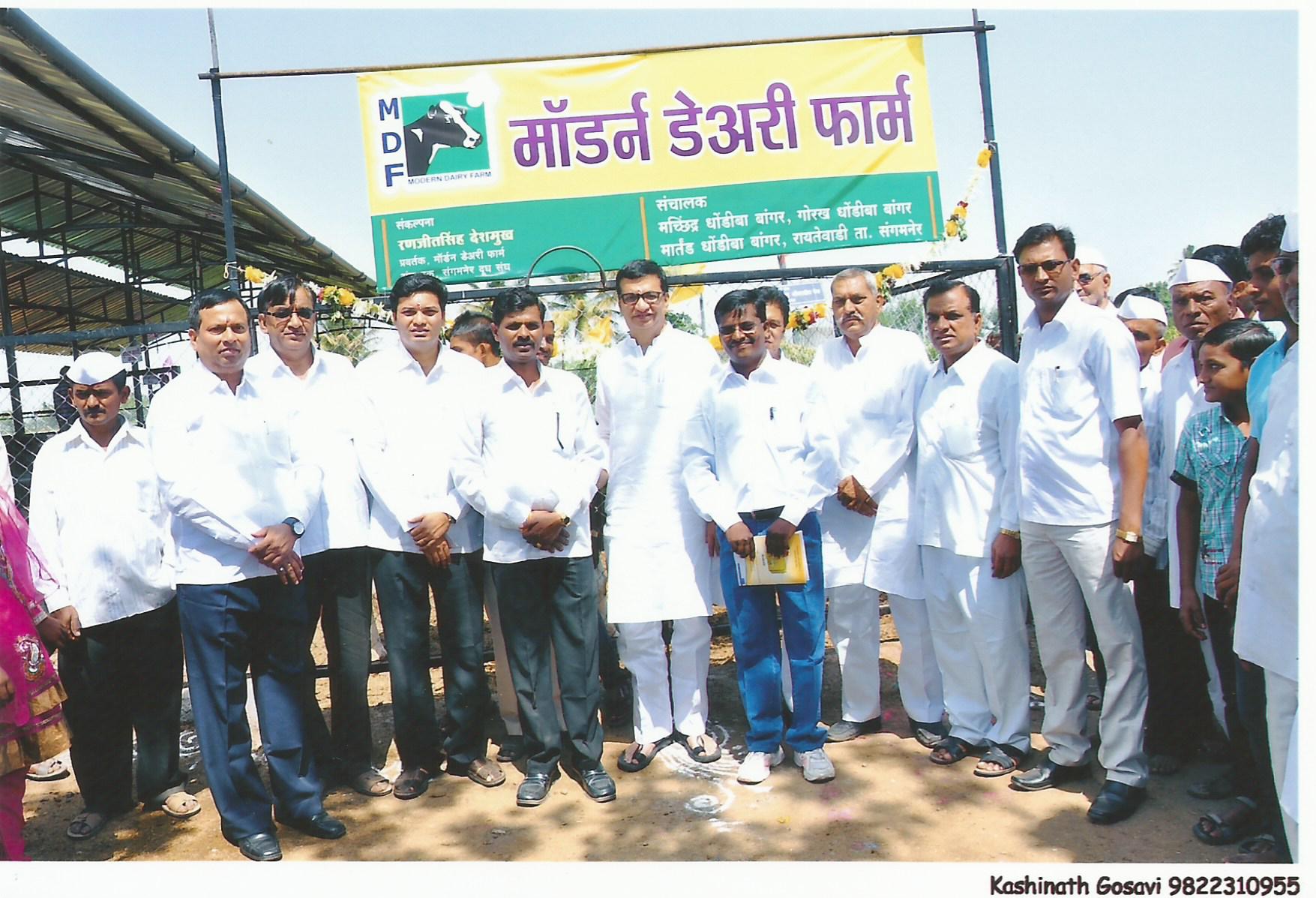
Modern Dairy Farm(MDF)
The concept of Modern Dairy Farm (MDF) has been developed with a special focus on the younger generation. The main objective of this initiative is to encourage rural youth to look at dairy farming not just from a traditional perspective, but as a modern and professional business opportunity.
Through this initiative, efforts are being made to transform individuals from mere milk producers into “dairy entrepreneurs.” With the help of modern technology, efficient management, and proper guidance, the focus is on making dairy farming more profitable and sustainable.
Additionally, ensuring that milk producers receive proper recognition in society and become financially empowered is also a key aspect of this project. A milk producer is not just a farmer, but an essential contributor who nourishes the entire world.
Therefore, MDF is not just a project, but a strong pathway leading youth towards self-reliance, entrepreneurship, and progress.
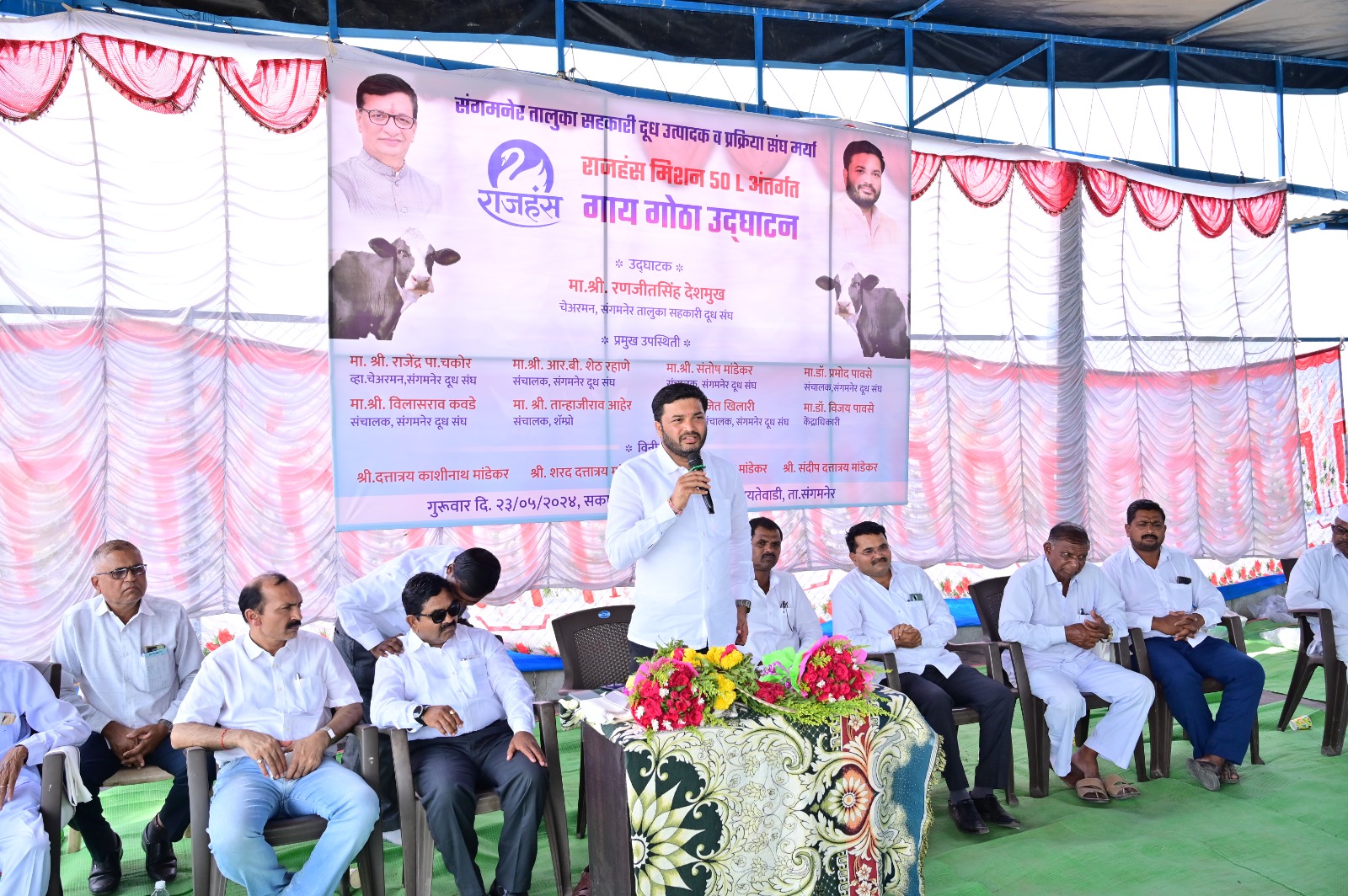
Mission 50 Littres
To make the dairy sector stronger and more advanced in the future, special emphasis is being placed on increasing milk productivity. Systematic efforts are currently underway in this direction, and “Mission 50L” is a key initiative driving this vision.
The primary objective of this initiative is to ensure that every cattle shed at the farmer’s doorstep has high-yielding cows. In other words, the goal is to achieve a daily milk production of 50 liters per cow.
To accomplish this, focused efforts are being made on high genetic potential, modern animal husbandry practices, balanced nutrition, and efficient management.
Through this initiative, efforts are being made to transform individuals from mere milk producers into “dairy entrepreneurs.” With the help of modern technology, efficient management, and proper guidance, the focus is on making dairy farming more profitable and sustainable.
Additionally, ensuring that milk producers receive proper recognition in society and become financially empowered is also a key aspect of this project. A milk producer is not just a farmer, but an essential contributor who nourishes the entire world.
Biogas
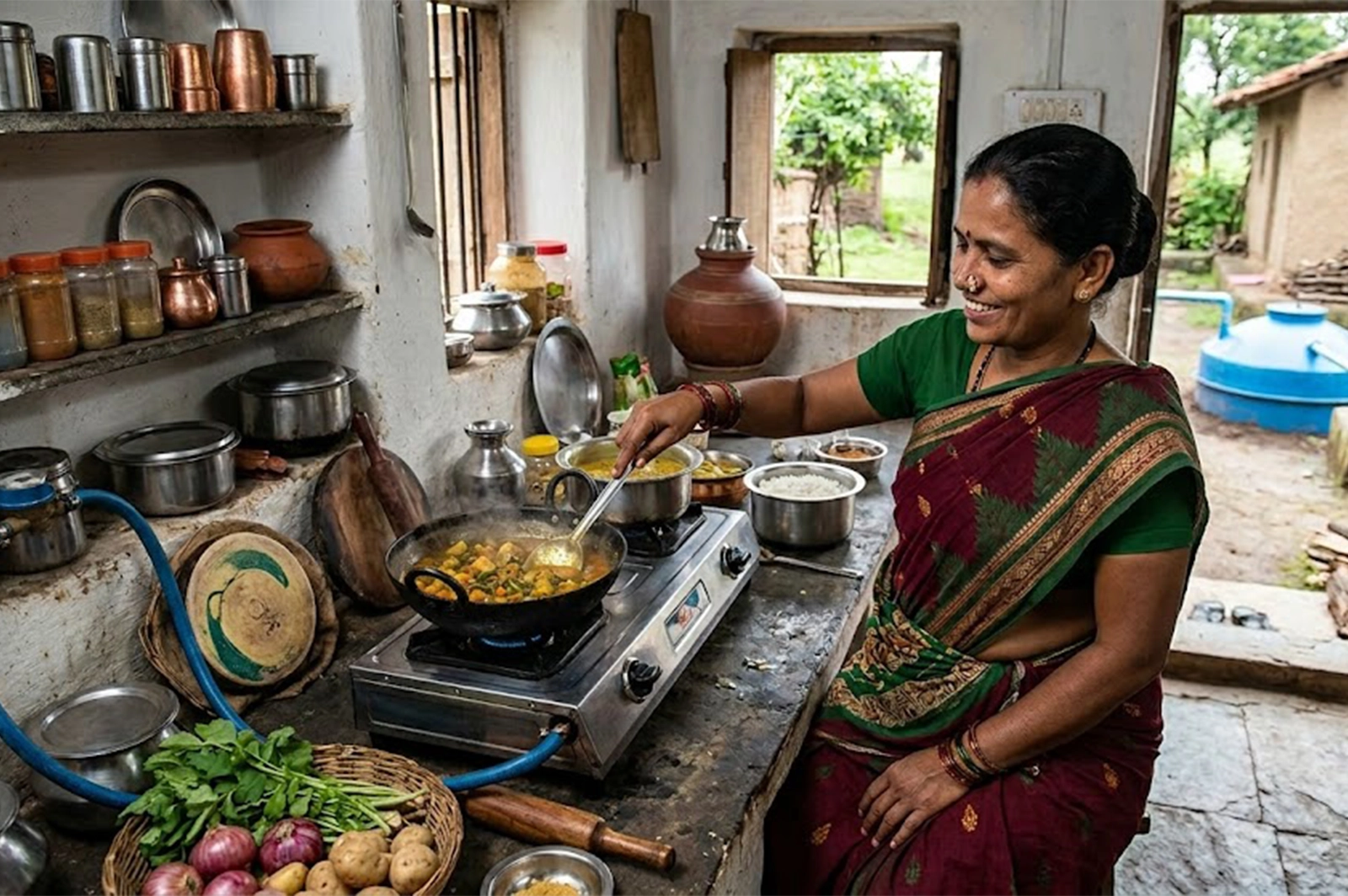
Modern biogas units installed in the Sangamner region use advanced anaerobic digestion technology to convert cattle dung and organic farm waste into clean biogas. Compared to traditional systems, these units are compact, leak-proof, and easier to maintain, making them more efficient and cost-effective for farmers. The biogas produced serves as a clean cooking fuel, reducing dependence on LPG and firewood while ensuring better utilization of farm waste.
Government subsidies have played a crucial role in promoting this initiative by reducing the initial investment required for installation. This financial support has encouraged small and marginal farmers to adopt the technology. Along with clean energy, the nutrient-rich slurry generated from biogas units is used as organic fertilizer, improving soil fertility and supporting sustainable agricultural practices.
So far, around 1,500 biogas units have been successfully installed in Sangamner, leading to significant fuel savings and improved rural sanitation. Farmers also benefit from better waste management and reduced greenhouse gas emissions. This initiative is not limited to energy production alone but is emerging as an environmentally friendly and economically beneficial sustainable solution that contributes to long-term rural development.
Modern Farm Planing
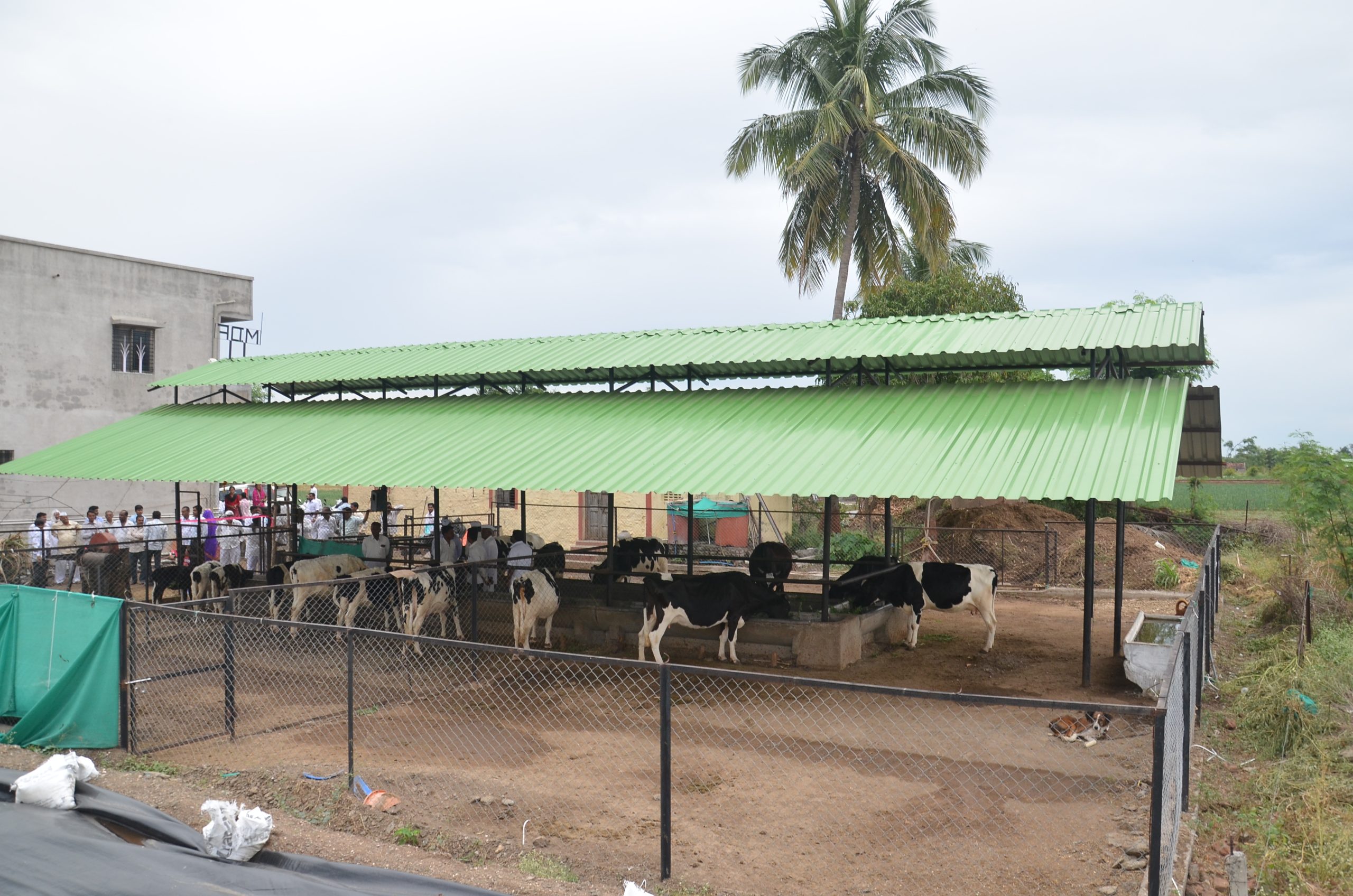
In a modern dairy farm, the design of cattle sheds is done using scientific methods, with a focus on proper ventilation, cleanliness, and adequate space. Classification of cows (milking, pregnant, and calves) and proper feed management help in increasing productivity.
Modern tools such as chaff cutters, milking machines, and milking parlors help save time and labor. Additionally, fogger systems help maintain temperature, ensuring the comfort of cows and sustaining their productivity.
Government subsidies have also been made available for this initiative, enabling more farmers to adopt this technology.
So far, around 1,500 biogas units have been successfully installed in Sangamner, contributing significantly to fuel savings, clean energy generation, and the availability of organic fertilizer for agriculture.
This initiative is not limited to energy production alone, but is emerging as an environmentally friendly and economically beneficial sustainable solution.
Open Farm
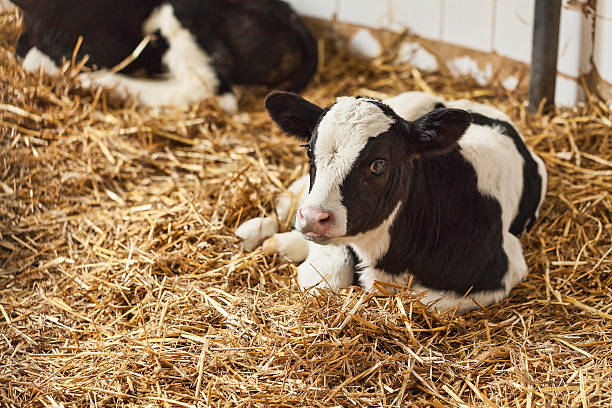
The free movement cattle shed is a modern and scientific approach in the dairy sector. In this concept, cows are freed from chains and allowed to move freely within the shed.
This freedom of movement increases their physical activity, which has a positive impact on their digestion. As a result, the overall health of the cows improves. Additionally, reduced stress leads to better mental well-being.
This system provides a more comfortable environment for the cows, which directly reflects in increased milk production. Consequently, the productivity of each cow improves, making the dairy business more efficient and profitable.
The open farm concept is an effective step towards better animal care, increased production, and sustainable dairy management.Government subsidies have also been made available for this initiative, enabling more farmers to adopt this technology.
So far, around 1,500 biogas units have been successfully installed in Sangamner, contributing significantly to fuel savings, clean energy generation, and the availability of organic fertilizer for agriculture.
Artificial Insemination
Genetics plays a very important role in milk production in dairy cows. By using Artificial Insemination (AI) with bulls that have high genetic potential, significant improvement in milk production can be achieved in the next generation. For example, a cow producing 20 liters of milk can potentially produce offspring with a capacity of 30 to 50 liters with proper genetic selection. This clearly shows that with the right genetics selection and modern breeding techniques, substantial progress can be achieved in the dairy business.
In addition to improving milk yield, genetic selection also helps enhance disease resistance, fertility, and overall longevity of dairy animals. High-quality breeds adapt better to farm conditions and require comparatively lower maintenance in the long term. This results in reduced veterinary expenses and improved herd performance.
Systematic record keeping of milk production, breeding cycles, and health status further supports effective genetic improvement programs. By selecting superior animals generation after generation, farmers can gradually build a high-yielding and productive herd. This not only increases daily milk output but also improves profitability.


